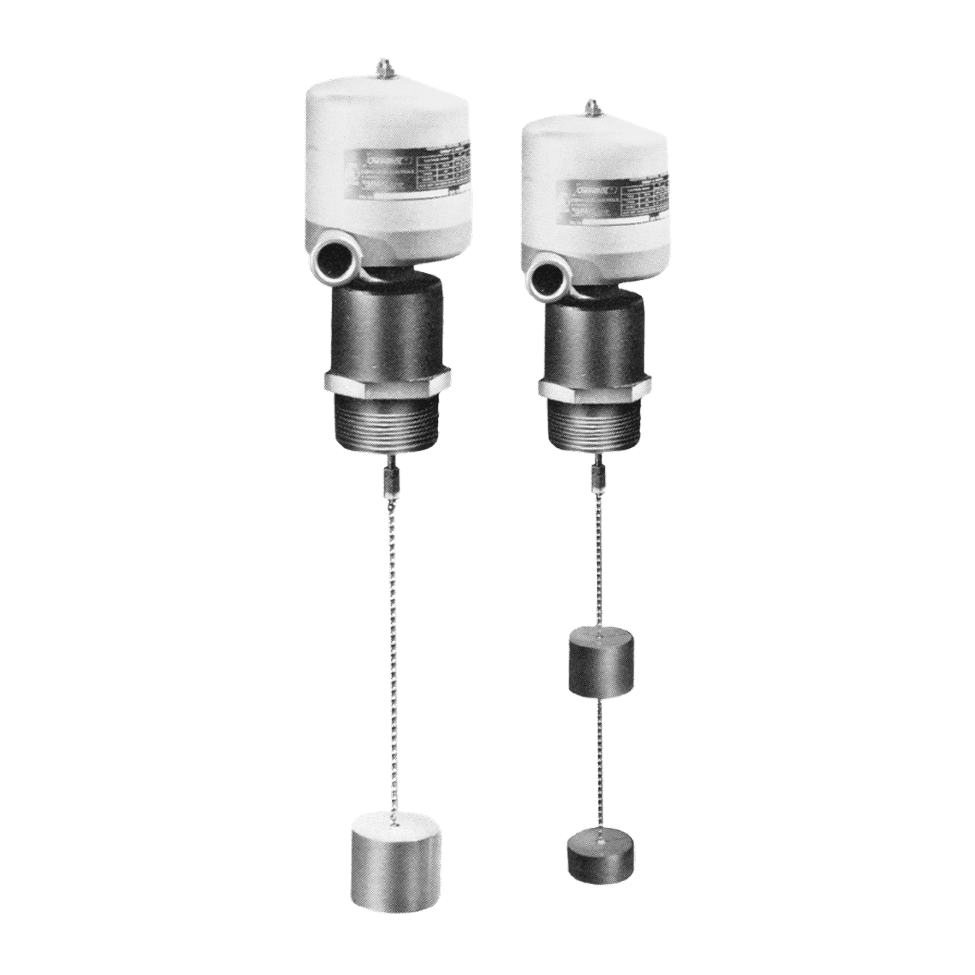
For tank farm operators, petroleum terminal engineers, floating-roof tank maintenance teams, and EPC specifiers who require reliable high-level and overfill protection on internal and external floating-roof storage tanks, the Omnitrol 621 / 721 Series delivers rugged, mechanically actuated level switching using dense lead displacers on stainless steel beaded chain.
Unlike lightweight floats or electronic sensors that can be affected by wind movement, roof vibration, sloshing, or electrical interference, the 621 / 721 uses high-mass lead displacers to ensure positive and stable switching at the correct height, even during roof movement or storm conditions.
With single-point (621) or dual-point (721) alarm capability, the device supports API 2350 high-level and high-high shutdown strategies for critical fuel storage safety.
Designed for hazardous environments, the system installs easily from the tank top without product intrusion, making it a dependable mechanical safeguard for terminals, refineries, and midstream operators.
Dense lead displacers remain unaffected by wind, surface agitation, and roof vibration, ensuring dependable alarm activation only at the true floating-roof position.
Factory-set switching differential ensures alarms occur at consistent heights, supporting strict overfill protection requirements and minimizing operational uncertainty in tank farms.
Design all mechanics remain outside the product space, improving accessibility, reducing exposure risks, and simplifying maintenance without tank entry or process disruption.
The 721 model provides independent Hi and Hi-Hi alarms, giving operators redundant protection layers aligned with safety-critical storage practices and API 2350 programs.
Beaded chain construction prevents kinking or coiling common with cable, improving long-term mechanical reliability in tanks experiencing roof movement.
UL approval, combined with explosion-proof housings, ensure safe operation in classified petroleum, refinery, and terminal environments.
621 (single-stage), 721 (two-stage)
Lead (high mass for wind/turbulence immunity)
Stainless steel beaded chain
2½″ NPT thread Flange mounts available (3″ and larger)
–20 °F to +400 °F (–29 °C to +204 °C)
Weather-resistant Explosion-proof / vapor-proof Explosion-proof / rain-tight
SPDT/DPDT micro switches
Fixed differential alarm switching
Factory set; additional chain lengths available
UL Approved
If you have questions not covered here, please contact the Cognesense support team for assistance.
Contact Us ↵Lead has high density, making it stable against wind and roof vibration — avoiding false alarms common in floating-roof tanks.
Yes — all mechanics are external, allowing safe maintenance without tank entry.
By mounting on the roof of the tank, all mechanical components and the electrical switch housing are located outside the product. This allows field technicians to perform routine inspection, functional testing, and maintenance of the switch without requiring any tank entry, degassing, or breaching the liquid level, dramatically improving safety and reducing service time.
No. The Omnitrol 721 is a dual-stage switch that operates from a single top-mounted penetration. It contains two separate switching mechanisms, both actuated by the same displacer chain assembly, allowing you to establish two independent alarm setpoints (Hi and Hi-Hi) with one device.
No — it operates using mechanical displacer movement and magnetic switching.
Yes — available in explosion-proof housings with UL/CSA approvals.
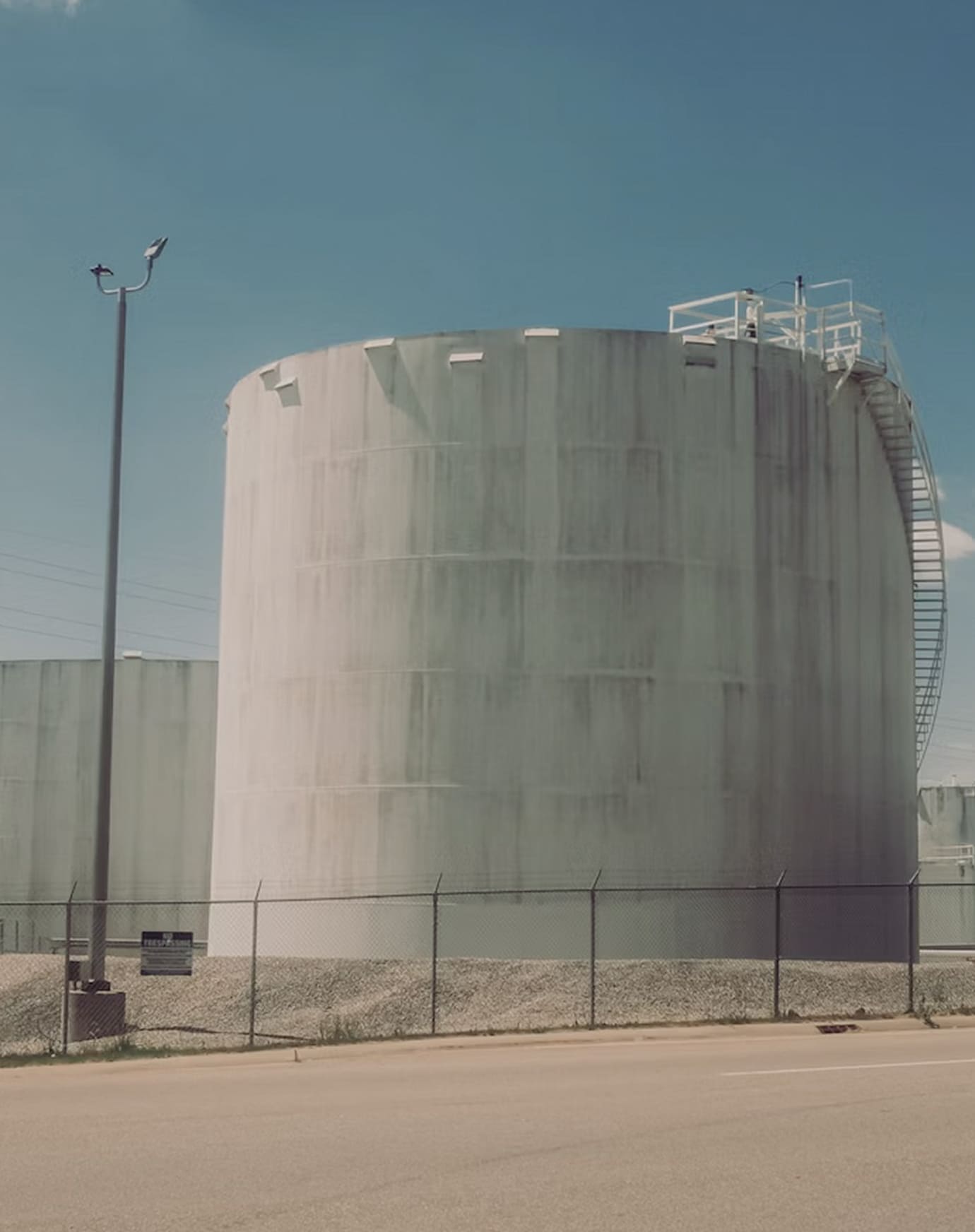
Floating-roof crude, refined product, and blend tanks at refineries, terminals, and tank farms.
The Omnitrol 621/721 provides rugged, high-reliability level alarm switching for floating-roof tanks, where wind, tank turbulence, and roof vibration make traditional floats unreliable.
With dense lead displacers, stainless chain suspension, and explosion-proof housings, it ensures positive, dependable switching for critical overfill safety and pump protection in hazardous petrochemical and tank storage environments.
Offering single- and dual-stage models, the system is ideal for API 2350-driven safety programs, refinery and terminal operations, and any facility demanding mechanical certainty and long-term reliability.