01

DM30 Dustsens

Air Quality Monitoring

Get a Quote

DM30 Dustsens

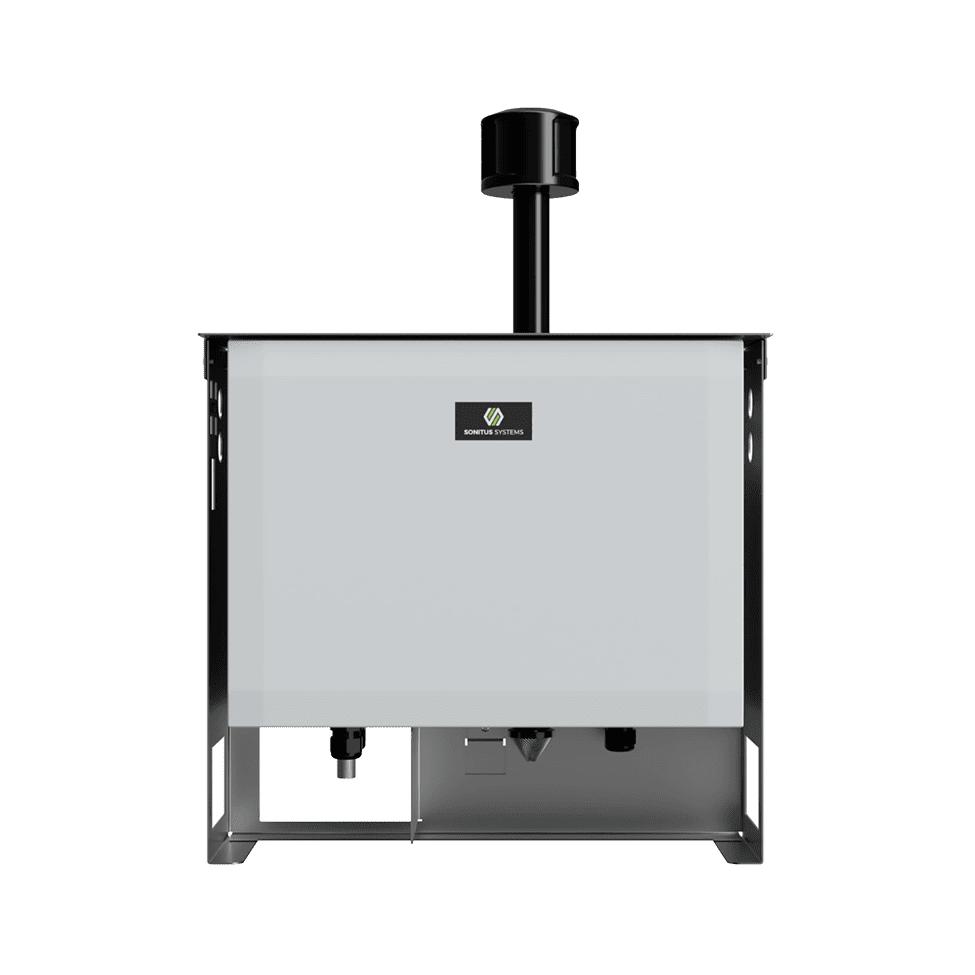
The Dustsens air quality monitor is a fully automated particulate monitor for measuring PM10, PM2.5 and PM1.

The DM30 is designed for continuous monitoring of dust levels at any site, in all conditions. It is MCERTS approved for ambient monitoring.

Based on our rugged weatherproof logging system, the Dustsens starts measuring as soon as you power it up. All data logging and communications are fully automated.

Using an optical particle counter, with heated inlet, the Dustsens is designed for applications where simple operation and reliability are key.

‍The DM30 is connected to our Sonitus Cloud reporting platform, giving you remote and automated compliance checks for dust and particulates.

DM30 Dustsens
DM30

Key Features

  • Measure PM10, PM2.5 and PM1 simultaneously
  • Heated inlet to remove moisture, with selectable power control
  • No filters and no maintenance required
  • Ready to deploy on site with our easy install bracket
  • Rugged design, ready for work on any site
  • Simple service procedure, just swap out the sensor for a calibrated device
  • Connected to our Sonitus Cloud platform for automated reports
  • Each device individually calibrated in our state of the art laboratory
DM30

Features

Automated Operation

No filters and no set up; just power on and measure. Save time with simple equipment.

Email and SMS Alerts

Our online system can check against site limits. Get live alerts for your site checks.

Multiple Parameters

Simultaneous measurement lets you collect all the data you need for compliance.

Heated Inlet

The heated inlet design removes moisture from the air in poor weather conditions.

Remote Reporting

Get automated air quality reports and receive alerts if your equipment is offline.

Simple Field Operation

Our rugged design and construction makes our kit ready to deploy on site, saving you time.

02

Specifications

Measurement Parameters

PM10, PM2.5, PM1, temperature and % RH

Measurement Method

Optical particle counter

Measurement Range

up to 2000 µg/m3

Particulate Range

0.35 to 40 µm

Measurement Period

  • 1, 5, 10, 15 and 30 minute logging intervals
  • Hourly and 24 hourly averages calculated
  • online

Data Storage

3+ years on board (at 5 minute intervals)

Dimensions

400 x 300 x 150mm with 180mm inlet

Weight

11kg with stainless steel surround

Operating Temperature

-10 to 50 °C

Operating Humidity

0% to 95% RH

Communications

802.11b/g Wi-Fi and 3G/4G cellular

Power Input

110V-240V AC or 12V DC

Power Consumption

24W with heater at full power
(heater power is user controlled)

Maximum Current

2A at 12V

Contact Support
2026 COST ESTIMATE

Contact Support

If you have questions not covered here, please contact the Cognesense support team for assistance.

Contact Us

How do I set up and start a measurement?

Mount the Dustsens on a wall, pole or tripod using the bracket supplied with the equipment. Power up the device and measurement will begin automatically. The monitor will continue logging particulate levels until power is removed.

Changing the measurement settings is simple too. The user interface to the Dustsens is through a web browser over Wi-Fi link, so you can connect using a laptop or smart phone. We know it can be difficult to make changes to configurations when equipment is already installed, we’ve been there. So the Dustsens is different, there are no small buttons or screens and no complicated menus to look through when you are on site. Simply connect to the Wi-Fi network and log in using your favourite browser. You can download readings and change the measurement set up. Then just reboot the system and your changes will be applied.

What happens when the power goes off?

+

The Dustsens will start measuring again as soon as power comes back on. To help reduce downtime, we will know if your measurement site goes down. Our performance monitoring software checks to ensure that your measurement site is reporting on schedule, so if power goes off you can receive an email alert to let you know.

How do the communications and data upload work?

+

Fully automated of course. The Dustsens comes with a GSM modem installed and we provide the SIM card to work on the local 3G/4G network. Readings are automatically uploaded to the Sonitus Cloud every 15 minutes so that you can access everything online.

Our cloud software lets you manage your measurement sites and analyse your data. There is no need for a phone contract or trying to configure network settings. The data costs are part of our pricing model and are covered by an annual payment.

Will it work in my area?

+

We have an international data solution that lets our equipment operate out of the box in almost 200 countries. This is still dependent on good network coverage in the area. Data costs and speeds can vary between networks and countries, so get in touch with us and we can find the best solution for your project.

How do I access the readings?

+

When you receive one of our monitoring stations we provide a secure login to our Sonitus Cloud platform which gives access to all your readings. Using this platform you can access raw data, plot graphs, export spreadsheets and set up automated analysis functions for processing your data.

You can also connect to the Dustsens over the local Wi-Fi interface. All your readings are stored on the device and can be downloaded for analysis or back up.

Does the Dustsens just measure particulates?

+

The Dustsens measures temperature and humidity along with the default particulate levels.

You can also upgrade your Dustsens device to be a sound level monitor too. This is a factory upgrade that we call the DM30N Sitesens. The combined station measures dust levels and is also a Class 1 sound level monitor.

You can also choose to add an ultrasonic wind sensor, to measure windspeed and direction at your monitoring station.

How often is laboratory calibration needed?

+

We recommend that the Dustsens is serviced every 12-24 months depending on the environment. Ambient monitoring applications with lower particulate level can tolerate longer periods between calibration, up to 24 months.

To simplify calibration you only need to send the sensor head to the laboratory for servie. This can be removed from the cabinet without having to unmount the entire installation.

To reduce downtime we can ship you a calibrated sensor in advance. So you just swap out the sensor unit and send the old one back to us. That will get you back up and measuring in just a few minutes.

Bottom section image
Measure.
Monitor.
Protect.