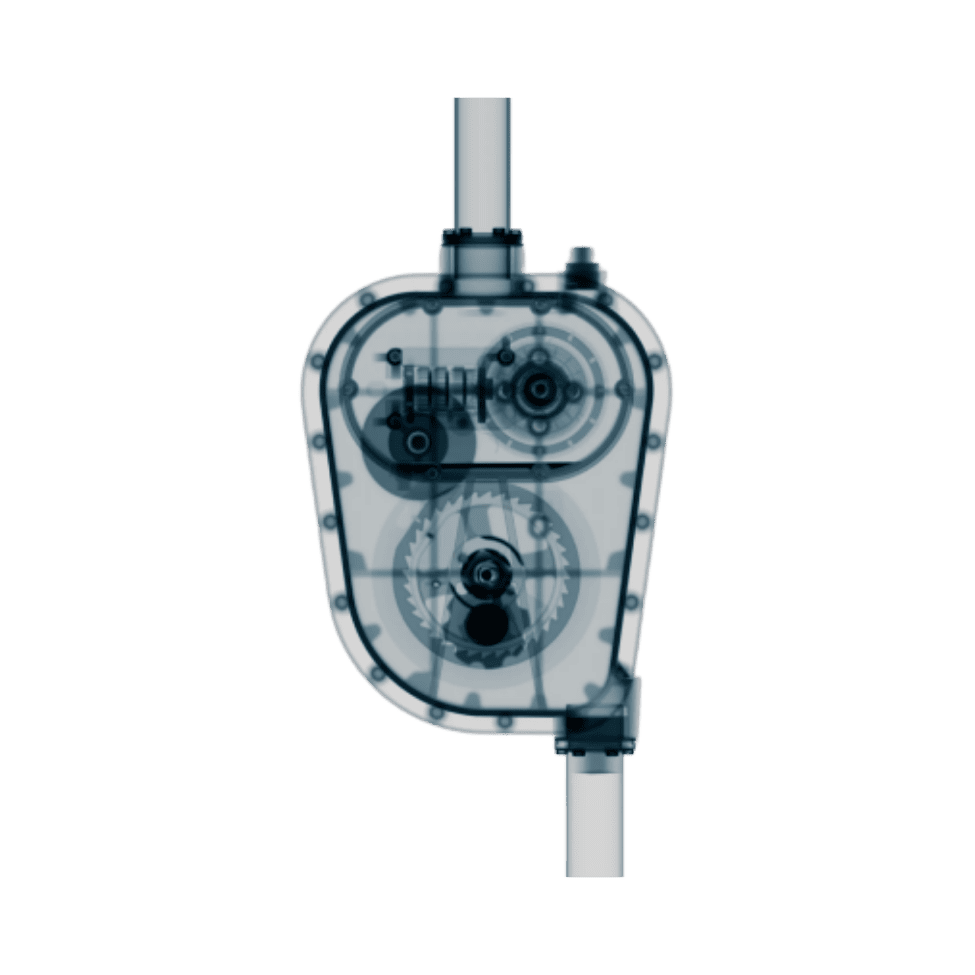
Emergency vents and manway covers are tank-mounted protection and access devices that address two distinct requirements at the tank shell. Emergency vents provide large-volume pressure relief during abnormal conditions, primarily external fire exposure, that generate vapor faster than conservation vents can discharge. Manway covers provide gas-tight personnel access to the tank interior for inspection, cleaning, and maintenance.
Emergency vents open when internal pressure exceeds a preset threshold, lifting a weighted pallet or cover to discharge vapor rapidly and prevent structural failure of the tank shell or roof-to-shell joint. Once the overpressure condition subsides, the pallet reseats to restore vapor containment. manhole covers seal the tank opening under normal conditions using bolted closures or the Expanda-Seal™ mechanism, which provides a gas-tight seal that operators can open and close without special tools.
Both device types mount directly to tank shell or roof nozzles and are sized to the tank diameter, design pressure, and applicable fire-case venting calculations per API 2000 and NFPA 30. Emergency vent sizing must account for the total fire-case vapor generation rate, while manhole sizing follows standard personnel access requirements for the vessel type.
Conservation vents manage normal tank breathing caused by thermal changes, liquid movement, and pumping operations. Emergency vents handle abnormal events, primarily fire exposure, that overwhelm a conservation vent’s capacity. Most fixed-roof tanks require both: a conservation vent for daily operations and an emergency vent for fire-case protection. Conservation vents control emissions; emergency vents prevent structural failure.
Emergency vents and manway covers are specified when a storage tank requires fire-case overpressure protection or gas-tight personnel access:
Emergency vents are sized and tested to deliver the full vapor discharge rate required by API 2000 fire-case calculations, providing documented relief capacity that satisfies regulatory and insurance requirements.
The Expanda-Seal™ manway closure provides a gas-tight seal at the tank shell opening, reducing fugitive emissions at a point where conventional bolted covers allow vapor leakage over time.
Manway covers with the Expanda-Seal™ mechanism open and close without special tools, reducing the time and effort required for inspection, cleaning, and maintenance access.
Emergency vents are set above the conservation vent operating range, remaining sealed during normal tank breathing and opening only when internal pressure exceeds the fire-case threshold.
Metallic construction with corrosion-resistant materials and sealing surfaces maintains device integrity and seating performance in environments that degrade standard carbon steel hardware.
| Attribute | Emergency Vents | Manhole Covers | |
|---|---|---|---|
|
Primary Function
|
Large-volume overpressure relief during abnormal events | Gas-tight personnel access for inspection and maintenance | |
|
Operating Trigger
|
Internal pressure exceeds fire-case setpoint | Operator opens for scheduled tank entry | |
|
Normal-condition State
|
Sealed; does not open during routine breathing | Sealed; provides continuous vapor containment | |
|
Sizing Basis
|
API 2000 fire-case venting calculations | Standard personnel access requirements per vessel type | |
|
Regulatory Driver
|
API 2000, NFPA 30, EPA 40 CFR 60/63 | API 653 inspection access, OSHA confined space entry | |
|
Sealing Technology
|
Weighted pallet reseats after pressure event | Expanda-Seal™ gas-tight closure (bolted or quick-open) | |
|
Recommendation
|
|
|
Tank-mounted emergency vent providing fire-case overpressure relief for fixed-roof atmospheric storage tanks, sized per API 2000 venting requirements.
Spring-loaded emergency vent for applications requiring precise setpoint control and consistent reseat performance across a range of operating temperatures.
Gas-tight manway covers providing personnel access to tank interiors without fugitive emissions, using the Expanda-Seal™ closure for tool-free operation.