01

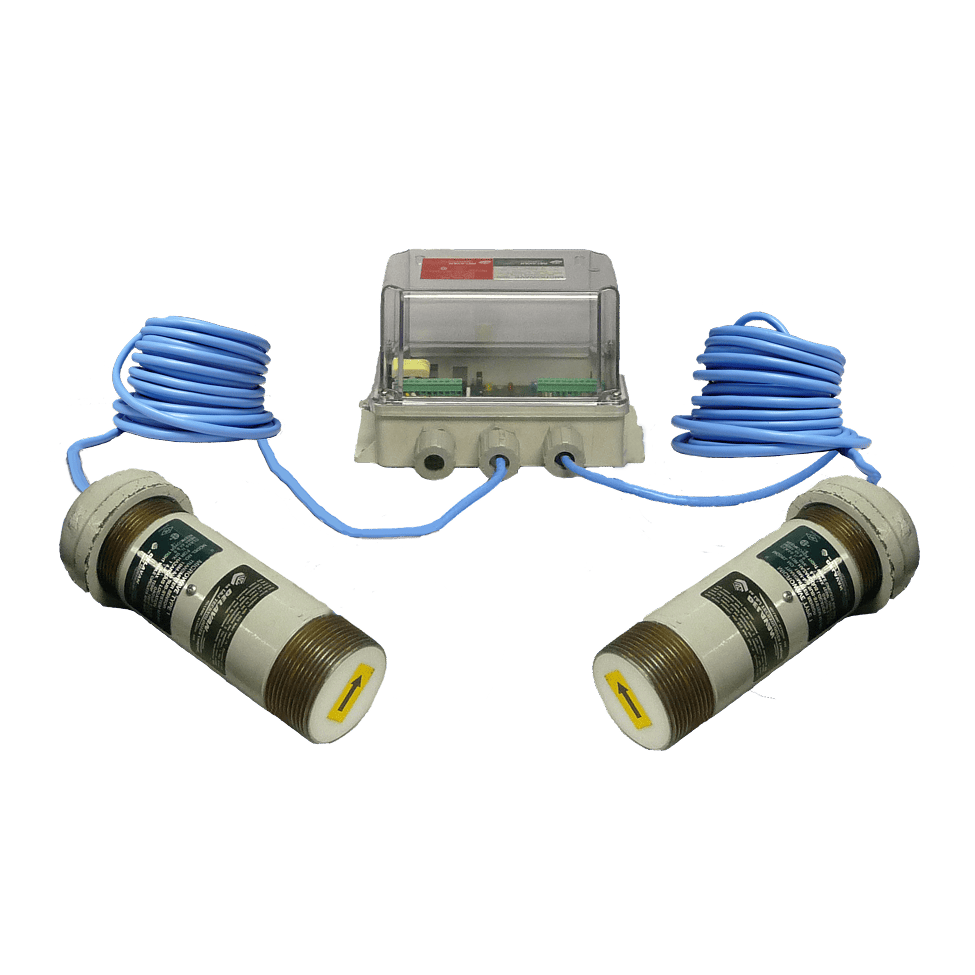
Microwave 320

Non-Contact Microwave Level and Position Switch

Get a Quote

Microwave 320

The Microwave 320 is designed for process engineers, plant operators, EPC designers, and maintenance teams who require reliable point-level or object detection in harsh, dusty, corrosive, or high-temperature environments.

The device uses non-contact microwave sensing to detect the presence of liquids or solids without contacting the process media.

Unlike capacitive, ultrasonic, or photoelectric switches, and unlike contact-based devices such as the Sonac 110 or Sonac 220, the Microwave 320 is immune to dust, vapor, coating, vibration, and buildup. It can also be mounted externally through a sight glass or non-metallic wall.

This makes it ideal for abrasive materials, corrosive chemicals, high-temperature ducts, and plugged chute detection where traditional contact sensors often fail.

The Microwave 320 is the preferred solution when contact with the process is not possible, environmental conditions are extreme, or long-term maintenance-free operation is required.

Microwave 320
Microwave 320 Non-Contact Microwave Level and Position Switch

Details

The Microwave 320 is engineered for environments where conventional level switches struggle to operate reliably.

Typical installations include:

  • Dust-heavy industries such as cement, grain, plastics, and mining
  • Chemical processing with corrosive vapors
  • High-temperature ducts, kilns, furnaces, and boilers
  • Slurry handling and abrasive solids transfer
  • Plugged chute or conveyor blockage detection
  • Tank presence detection without penetrating the vessel

A directional microwave beam detects material presence or movement across a defined sensing area. The sensor can operate inside a vessel, through a process window, or across a chute, providing reliable high or low level alarms, blockage detection, and feed control.

Because the device has no wetted parts, it performs consistently even in environments where product buildup, abrasion, or corrosion would quickly damage conventional probes.

Applications

  • Solids and Powders: Microwave sensing ignores dust and fog, enabling reliable level switching in grain, cement, and fly ash silos.
  • Abrasive Materials: Non-contact sensing prevents wear and probe erosion when handling coal, sand, or aggregates.
  • Corrosive Vapors: External installation through a sight glass or non-metallic wall protects the sensor from corrosive chemicals and reduces maintenance.
  • Blockage Detection: The microwave beam detects plugged chutes or conveyors, preventing equipment damage and minimizing downtime in mining and aggregate operations.
  • High-Temperature Processes: High-temperature cooled sensor options allow safe and stable operation in kilns, furnaces, and boiler systems.
02

Technical Specifications

Parameter

Value

Technology

Non-contact microwave sensing (X-band 10.525 GHz)

Media

Liquids, solids, and slurries (presence or absence detection)

Output

SPDT relay

Switching Action

ON / OFF

Detection Range

Several feet air gap (application dependent)

Beam Angle

Approximately 40°

Power Supply

120 VAC, 240 VAC, or 24 VDC

Housing

Sealed industrial glass-reinforced polyester

Temperature Capability

High-temperature option with water-cooled MT/MR assemblies

Environmental Resistance

Immune to dust, fog, vapor, and vibration

Adjustments

Independent ON and OFF time delay

Certifications

FM Approved when used with MT 851 / MR 851 heads

Mounting

External mounting through sight glass or non-metallic wall; bracket mounting available
Support
2026 COST ESTIMATE

Support

If you have questions not covered here, please contact the Cognesense support team for assistance.

Contact Us

Why choose the Microwave 320 instead of capacitive, ultrasonic, or photoelectric switches?

Microwave sensing is unaffected by buildup, dust, fog, and vibration — making it far more reliable in rugged industrial environments.

Can the Microwave 320 detect solid materials?

+

Yes — it excels in solids applications like grains, powders, pellets, cement, and mining materials.

Does the sensor come into contact with the product?

+

No. It provides true non-contact detection, ideal for corrosive, abrasive, or sanitary processes.

Can it be mounted outside of the tank or vessel?

+

Yes — microwave waves transmit through non-metallic walls or sightglass, eliminating process penetration.

How does the switch perform in high-temperature processes?

+

For extreme heat applications (500°F or higher), the Microwave 320 offers optional water-cooled sensor assemblies. This accessory isolates the electronics from the process heat, ensuring the sensitive components remain within their operating temperature range for safe, stable, and long-term performance.

When should a Sonac ultrasonic switch be used instead?

+

  • Use Sonac 110/220 for simple, direct-contact switching in clean liquids.
  • Use Microwave 320 when contact is not acceptable or environment is harsh.

Bottom section image
Measure.
Monitor.
Protect.