01

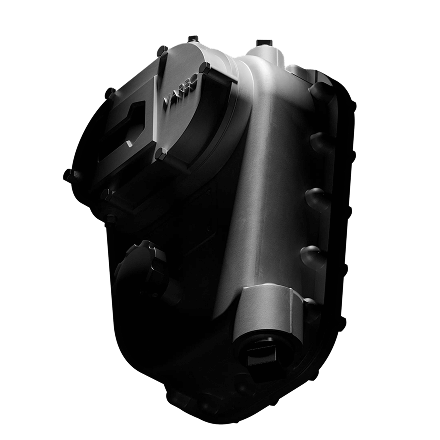
Shand & Jurs 96330 / 96330I Internal Safety Shutoff & Operating Valve

Internal Safety Shutoff Operating Valve

Get a Quote

Shand & Jurs 96330 / 96330I Internal Safety Shutoff & Operating Valve

For LPG terminal operators, ammonia facility engineers, and liquid-hydrocarbon transfer specialists, the Shand & Jurs 96330 and 96330I Internal Safety Shutoff & Operating Valve combine daily transfer control with automatic emergency isolation at the tank connection — one valve serving as both the primary operating shutoff and the passive safety barrier.

Unlike a conventional arrangement that pairs a separate operating valve with a downstream emergency block, the 96330 uses a spring-loaded balanced piston held open by hydraulic pressure. Removal of operating pressure — by fusible element release, manual trip, or remote control — causes the valve to close in either flow direction, giving bi-directional shutoff without a second valve in the line.

The pressure-balanced design prevents tank pressure from forcing the valve open, so it operates stably as an on-off transfer valve across the full range of product conditions. One-piece self-adjusting seals maintain tight shutoff as components wear.

Available in 2″–10″ sizes with ANSI 150 or 300 RF flanges for tank or in-line mounting, the 96330 handles LPG, ammonia, and liquid hydrocarbon service. The 96330I adds a mechanically linked position indicator for monitored facilities requiring continuous confirmation of valve state.

Shand & Jurs 96330 / 96330I Internal Safety Shutoff & Operating Valve
02

Features

Balanced Piston Main Valve

Pressure-balanced design prevents tank pressure from forcing the valve open, allowing stable operation as a daily on-off transfer valve.

Hydraulic Operating System

450–1100 psig hydraulic operating pressure opens the valve fully; loss of that pressure closes the valve, enabling remote or automatic closure.

Bi-Directional Sealing

Isolates the tank regardless of flow direction, providing the same shutoff integrity during loading, unloading, and static holding conditions.

Fusible Thermal Release

Fusible element releases hydraulic pressure during fire exposure, closing the valve automatically without operator intervention or external detection.

Self-Adjusting Seals

One-piece seals maintain tight shutoff as components wear, reducing downtime and extending intervals between seal replacement service events.

Position Indicator (96330I)

Mechanically linked indicator on the 96330I provides continuous, positive verification of valve state for monitored LPG, ammonia, and remote-shutoff facilities.

Applications

  • Loading Racks: Serves as both the operating valve and the emergency safety barrier at LPG and ammonia loading racks, eliminating a second block valve in line.
  • Manifold Headers: Bi-directional balanced shutoff supports manifold installations where flow direction varies between loading and unloading on the same connection.
  • Bottom Transfer Lines: Installs at the tank bottom outlet to serve as the primary transfer valve and the fail-safe isolation on tank damage or fire exposure.
  • LPG Storage: HNBR O-ring option handles propane and LPG service; the balanced piston operates stably at the higher product pressures typical of LPG tanks.
  • Ammonia Service: EPDM O-ring option provides compatibility with anhydrous ammonia; stainless steel construction option handles the corrosive duty at regulated facilities.
  • Remote Shutoff Systems: Hydraulic operating pressure can be released remotely, allowing operator isolation of the tank without requiring direct tank access during an incident.
03

Specifications

Parameter

Specification

Device Type

Internal operating & safety shutoff valve

Models

96330; 96330I (with integral position indicator)

Valve Size

2″, 3″, 4″, 6″, 8″, 10″

Flange Size

Nominal to +10″ oversize (various configurations)

Mounting

Tank or in-line

Flanges

ANSI 150 RF or 300 RF

Operating Pressure

450 – 1100 psig hydraulic

Max Product Pressure

Up to 250/375 psig (configuration dependent)

Operating Temperature

−20°F (−29°C) to +150°F (+66°C) Standard; −50°F (−46°C) with alternate materials

Closure Action

Hydraulic pressure removal (fail-safe)

Flow Direction

Bi-directional shutoff

Leakage — Tank to Line

Zero air leakage @ 100 psig

Leakage — Product to Hydraulic

Bubble tight

Materials

Carbon steel or stainless construction

Options

316 stainless steel body and trim; dual redundant springs; HNBR O-ring (LPG/propane); EPDM O-ring (ammonia); “J” partial flange or full ANSI flange; serrated raised face flange finish.

Contact Support
2026 COST ESTIMATE

Contact Support

If you have questions not covered here, please contact the Cognesense support team for assistance.

Contact Us

Why combine the operating valve and the emergency safety valve in one body?

A conventional arrangement pairs a separate operating valve with a downstream emergency block — two valves, two sets of seals, two failure modes, and additional piping between them. The 96330 uses a balanced piston that opens under hydraulic pressure and closes when that pressure is lost, so the same valve serves as the daily on-off transfer valve and the passive safety barrier. Fewer components, fewer release paths, and a simpler emergency sequence.

How does fail-safe closure work?

+

The valve is held open by hydraulic operating pressure between 450 and 1100 psig. Removal of that pressure — through a fusible element during fire exposure, a manual trip, or a remote control signal — causes the spring-loaded balanced piston to close the valve in either flow direction. The Dual Redundant Springs option adds a second spring, either of which is capable of closing the valve independently.

What is the difference between the 96330 and the 96330I?

+

The 96330I adds a mechanically linked position indicator that provides continuous, positive verification of whether the valve is open or closed. This is required at monitored facilities, remote-shutoff installations, and sites where operators must confirm tank isolation without local access. The 96330 is the same valve without the indicator.

What service temperatures are supported?

+

Standard operating temperature range is −20°F (−29°C) to +150°F (+66°C). Alternate materials extend the low-temperature rating to −50°F (−46°C). Specify service conditions at time of order — the seal material (HNBR for LPG/propane, EPDM for ammonia) is selected with the temperature range.

What pressure ratings are available?

+

Hydraulic operating pressure is 450–1100 psig. Maximum product pressure is up to 250 or 375 psig depending on configuration (valve size, flange rating, and seal material). ANSI 150 RF or 300 RF flanges are available; the 300 RF class is used at higher product-pressure installations.

Is the 96330 appropriate for atmospheric tank service?

+

No — the 96330 is designed for higher-pressure service on LPG, ammonia, and liquid hydrocarbon tanks. For atmospheric and low-pressure tanks (up to 50 psig) where a fusible-link internal shutoff is sufficient, the Shand & Jurs Model 96311 Internal Safety Valve is the recommended model.

How are leakage rates specified?

+

Tank-to-line leakage is zero air leakage at 100 psig. Product-to-hydraulic leakage is bubble tight. These leakage criteria reflect the valve’s role as both the primary transfer shutoff and the passive isolation barrier for regulated service.

Summary

With over a century of tank-safety heritage inside Cognesense, the Shand & Jurs 96330 and 96330I Internal Safety Shutoff & Operating Valve combine daily transfer control with passive emergency isolation at the tank connection. Their balanced piston opens under hydraulic pressure and closes bi-directionally when that pressure is lost — by fusible release, manual trip, or remote signal — giving LPG, ammonia, and liquid hydrocarbon facilities one valve that serves as both the process shutoff and the safety barrier. It is trusted wherever you need to measure, monitor, and protect what matters most.

Bottom section image
Measure.
Monitor.
Protect.